

Understanding Anesthesia
CASE physicians collaborate closely with your surgeon and care team to ensure a safe, seamless, and well-coordinated surgical experience. Our focus on clinical excellence, precision in anesthesia care, and patient-centered support remains central to everything we do.
Your care—and your overall experience—remain our highest priorities.
Modern anesthesia is a highly advanced and safe method of managing pain during and after surgery. Depending on your procedure and medical needs, your anesthesiologist may recommend one of three primary approaches:
General anesthesia induces a controlled state of unconsciousness using intravenous medications and/or inhaled anesthetic agents.
Regional anesthesia numbs a specific area of the body while you remain awake or lightly sedated. Techniques such as spinal, epidural, and peripheral nerve blocks are commonly used to support both surgical anesthesia and postoperative pain control.
Local anesthesia targets a small, specific area and is typically used for less complex procedures, with or without mild sedation.
In most cases, your anesthesiologist will meet with you shortly before your procedure to review your medical history, current health status, and medications. It is important to provide complete and accurate information—including prescription medications, supplements, allergies, prior anesthesia experiences, and lifestyle factors such as alcohol or tobacco use—as these can influence how anesthesia is safely administered.
Female patients should also inform their anesthesiologist of any possibility of pregnancy. If you or a family member have experienced complications with anesthesia in the past, or if you have any known allergies, this information is essential to your care plan.
After reviewing your information, your anesthesiologist will discuss the most appropriate anesthesia options, including benefits and potential risks, and answer any questions you may have.
For questions prior to your procedure, please consult your surgeon, who can coordinate additional pre-operative evaluation if needed.
To ensure your safety, do not eat or drink for at least eight hours before surgery, and avoid smoking. If you are scheduled for outpatient surgery, please arrange for a responsible adult to drive you home and remain with you for the first 24 hours following your procedure.
Types of Anesthesia

Reginal Anesthesia
Regional anesthesia numbs a specific part of your body so you won’t feel pain during surgery or a procedure. Unlike general anesthesia, you usually stay awake and breathe on your own, sometimes with a little sedation to help you relax.
It’s commonly used for things like childbirth, joint surgery, or numbing an arm or leg. With regional anesthesia, recovery is often quicker and you may need less pain medicine afterward.

General Anesthesia
General anesthesia makes you completely unconscious and pain-free during surgery. You won’t feel, see, or remember the procedure. Your anesthesia clinician carefully monitors your breathing, heart, and vital signs the entire time to keep you safe and comfortable.

Obstetric Anesthesia
General anesthesia makes you completely unconscious and pain-free during surgery. You won’t feel, see, or remember the procedure. Your anesthesia clinician carefully monitors your breathing, heart, and vital signs the entire time to keep you safe and comfortable.

Regional/Acute Pain Anesthesia
Regional acute pain anesthesia uses targeted nerve blocks to control pain in specific areas of the body, providing effective relief during and after surgery while reducing the need for systemic medications.

Cardiac Anesthesia
Cardiac anesthesia is a specialized area of care for heart and major vascular procedures, focused on advanced monitoring and precise management to ensure patient safety and stability throughout surgery.
MAC Anesthesia
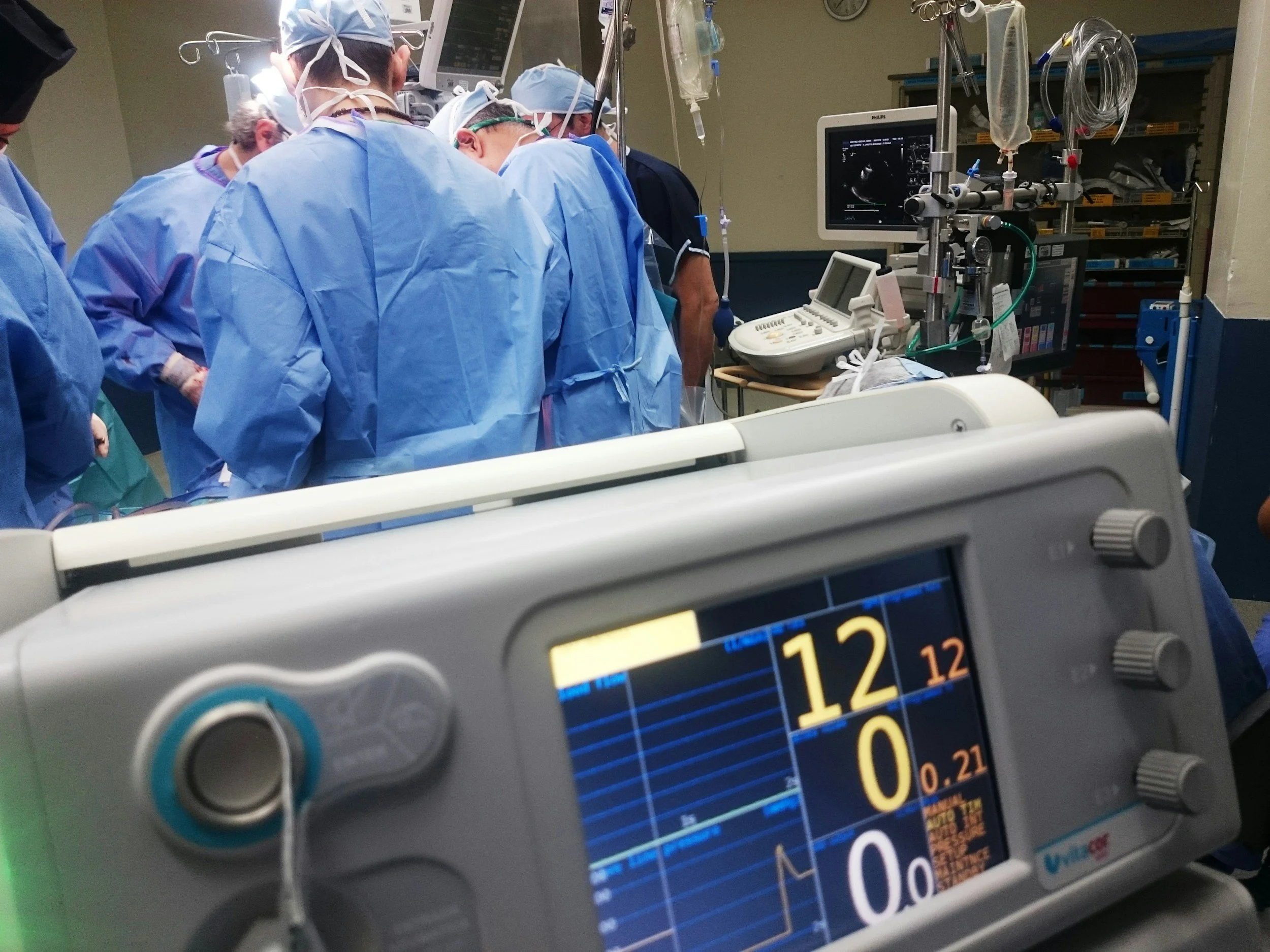
Monitored Anesthesia Care (MAC) provides safe, comfortable sedation while you continue to breathe on your own, often allowing for a quicker recovery than general anesthesia. Your anesthesiologist remains with you throughout, closely monitoring your safety and comfort during procedures such as colonoscopies and outpatient surgeries.

Pediatric Anesthesia
Pediatric anesthesia is specialized care designed for infants, children, and adolescents, focusing on safe, precise anesthesia tailored to their unique needs for a smooth and comfortable surgical experience.
Thoracic Anesthesia
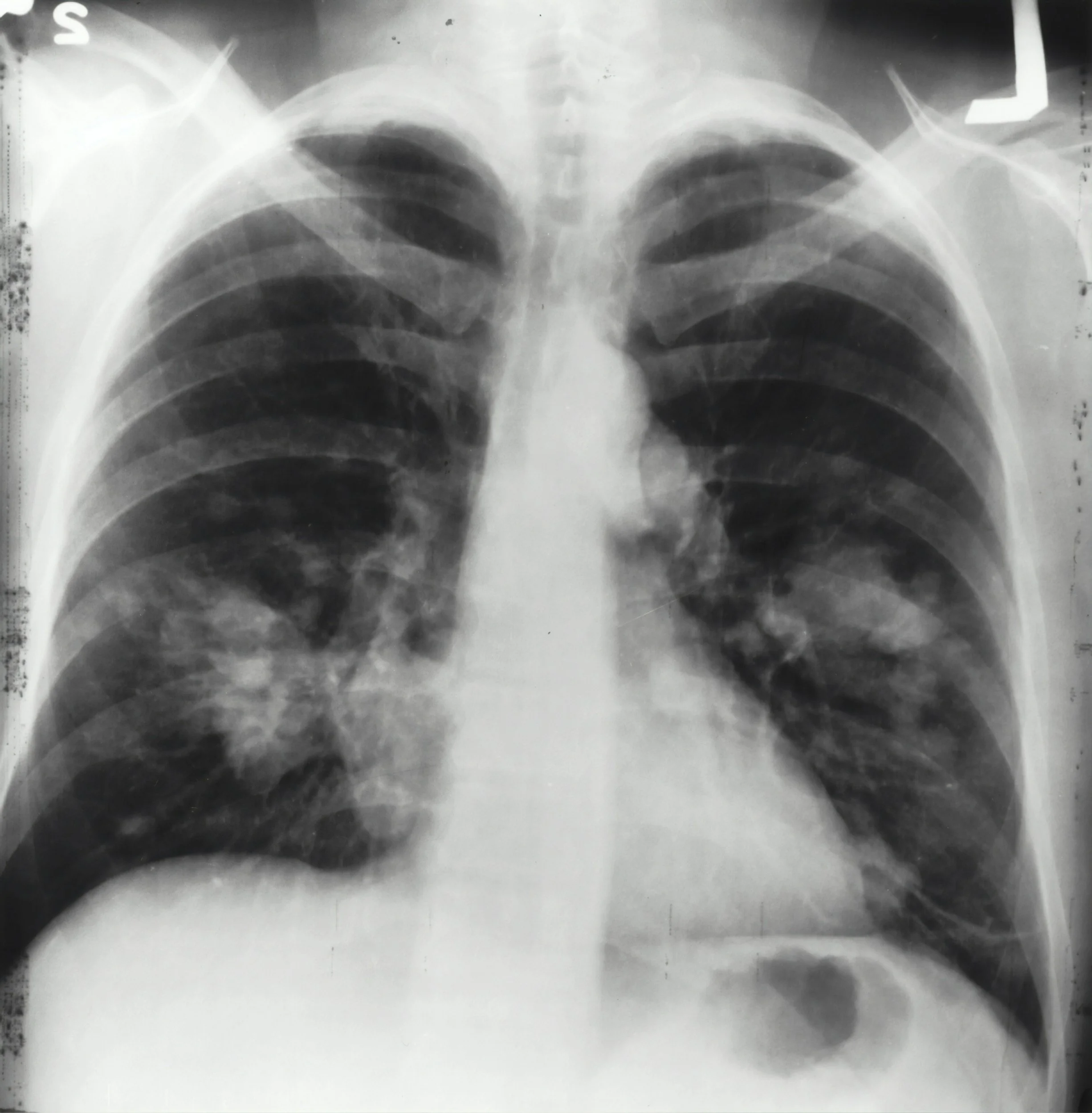
Thoracic anesthesia is specialized care for procedures involving the lungs, chest, and esophagus, focusing on advanced airway management and precise control of breathing to ensure safety throughout surgery.